


He Was Betrayed, Not Defeated: Walking the Last Days of Antanom
Helolokal
05:03:35 March 24, 2026
The jungle doesn’t announce its stories.
It keeps them.
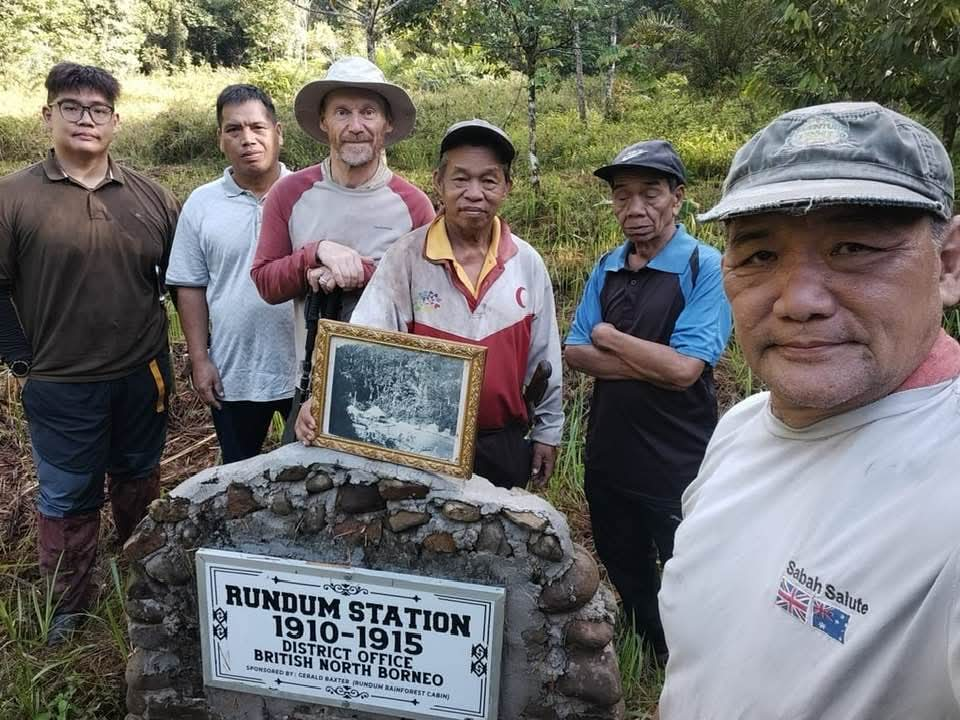
“You won’t find signboards here,” says Joseph, our guide, as we step into the dense green outside Rundum. “Only what people remember.”
Joseph is Murut. His great-grandfather lived through the time of Antanom — a name that still carries weight in this part of Sabah.
“He wasn’t just a warrior,” Joseph says. “He was someone people believed in.”
A story not written in books
Antanom led a rebellion against British rule in the early 1900s.
But Joseph doesn’t start with dates or facts.
Instead, he tells us about trust.
“They invited him for peace talks,” he says. “He believed them.”
There’s a pause.
“That’s how they captured him.”
Walking where decisions were made
The trail is uneven, quiet except for insects and distant water.
It’s not dramatic.
But it feels heavy.
“Somewhere along paths like this, they decided whether to fight or surrender,” Joseph says.
You start to realise — history didn’t happen in buildings.
It happened here.
Voices that stayed behind
Later, in a simple longhouse, we meet Linah, one of the elders.
She pours tea slowly.
“Our parents didn’t talk about it much,” she says. “But we knew.”
“Knew what?”
“That something was taken from us.” said Linah again.
Why this still matters
Joseph looks out toward the trees.
“If we don’t tell this story,” he says, “then Antanom becomes just a name.”
Walking back, you understand something quietly:
This isn’t about the past.
It’s about identity.
👉 Walk this story on Helolokal: https://helolokal.com/shop/4d3n/rebel-trails-of-borneo-trek-the-antanom-uprising-wwii-jungle-route/
Because some histories are still waiting to be understood.